Why Did My Daughter's Eczema Keep Coming Back No Matter What Detergent I Used?
If your child keeps scratching at night and nothing your dermatologist recommends seems to hold, read this before your next load of laundry.

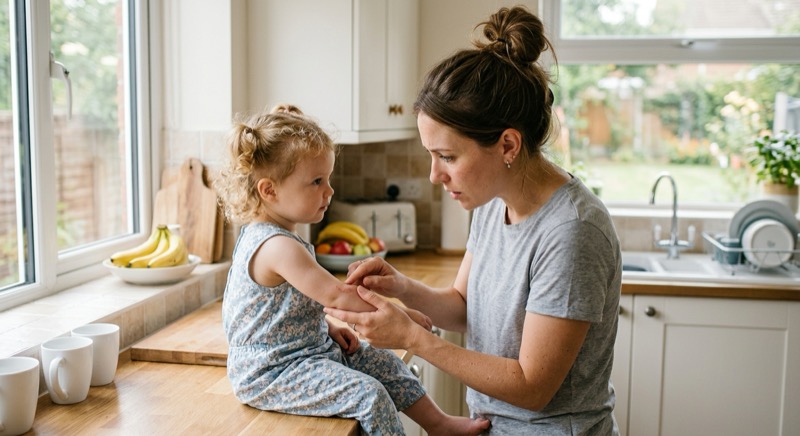
Lily was fourteen months old when the patches showed up on the insides of her elbows and behind her knees.
Our pediatrician called it atopic dermatitis and prescribed a mild steroid cream that cost €38 a tube. It helped for a few days. Then the patches crept back, angrier than before.
I stopped counting how many mornings started the same way.
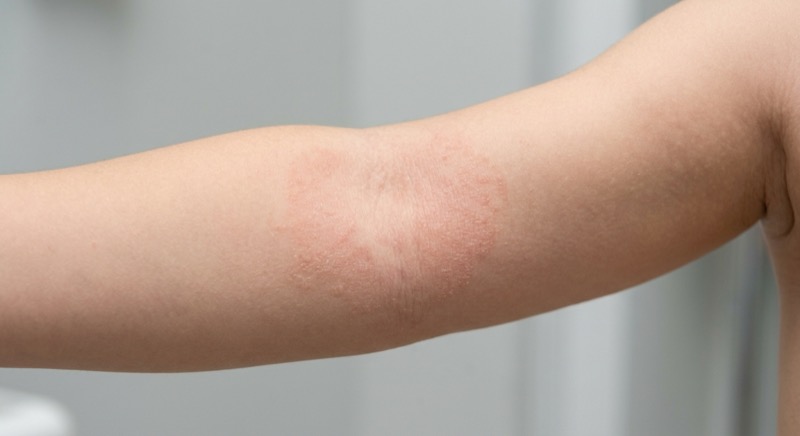
Pulling her pajama sleeves up slowly. Bracing myself for what I'd find underneath. Red, rough patches she'd been scratching at in her sleep. Dry, flaking skin on her elbows. The same spots, every morning, worse than the day before.
I had tried what the pediatrician recommended and what the mommy blogs swore by. Reading ingredient lists past midnight. Buying whatever the label promised was safe.
My daughter was still waking up scratching her arms three, four nights a week.…
- Red, cracked patches behind her knees and inside her elbows that would not heal
- Waking up two, three times a night to stop her from scratching
- My husband moved to the guest room because neither of us could sleep
- Dressing her in long sleeves in summer because the patches on her arms were hard to explain at playgroup
- A bathroom shelf with six half-used tubes of prescription cream, none of which had made a lasting difference
I used to think we were unlucky.
That Lily was just one of those children with sensitive skin and there was nothing to do but manage it.
How wrong I was…
ℹ️ According to the European Academy of Dermatology, contact dermatitis is among the most common skin conditions in young children across the EU. A growing body of dermatological research points to the same set of suspects: chemical residues left behind in laundered textiles.
If eczema in children is this common, and laundry chemicals are a known trigger, why hasn't the laundry industry solved it?
Eight Months of Wrong Answers
I became the mother who read the back of every bottle in the supermarket aisle, who sat up past midnight googling ingredient lists and scrolling parenting forums looking for something that would stop the scratching.
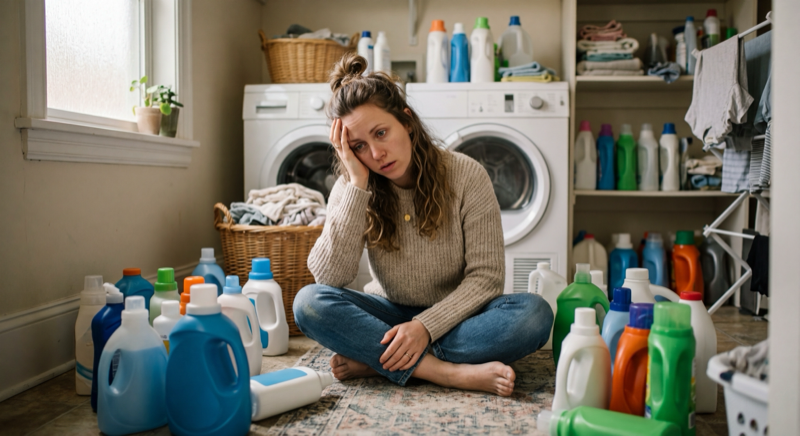
I also tried fabric softener, dryer sheets, and two "natural" brands from the health food shop.
None of them worked for more than a few weeks.
If it was possible to stop a child's skin irritation with a €6 bottle of gentle detergent, why were all of us in those online groups still searching?
What I Found at One in the Morning
A Tuesday night. Lily had woken up crying for the third time.
I was sitting on the bathroom floor with her in my lap, rubbing cream on her arms, scrolling a parenting forum with my free hand.
A mother in the Netherlands posted something that made me put the phone down and read it twice.
She wasn't selling anything. She was explaining what her daughter's dermatologist had told her about how detergent behaves on fabric.
What it came down to was this: most liquid detergents and many laundry sheets do not fully dissolve in water, especially at the temperatures most of us wash at. Thirty, forty degrees.
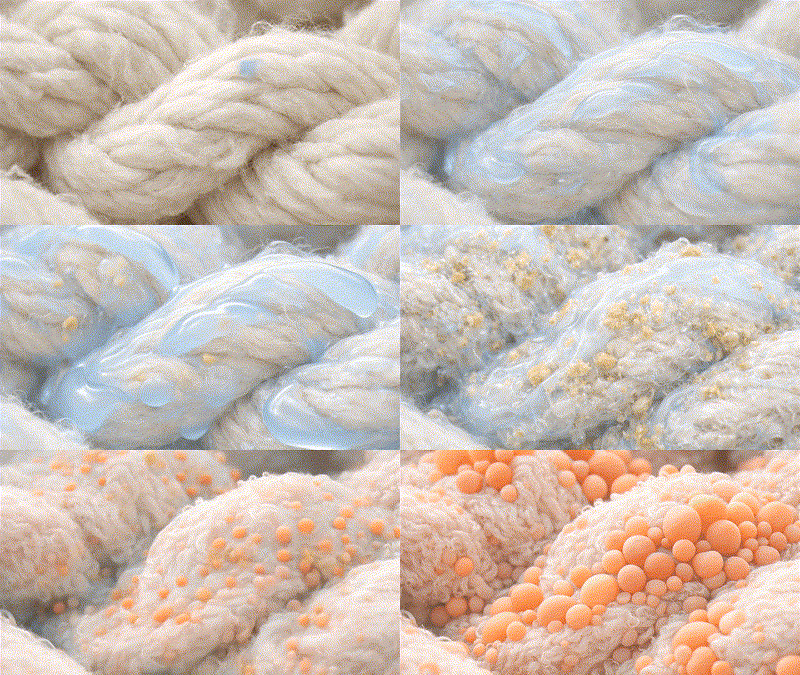
Whatever doesn't dissolve stays on the fabric and bonds to the fibers.
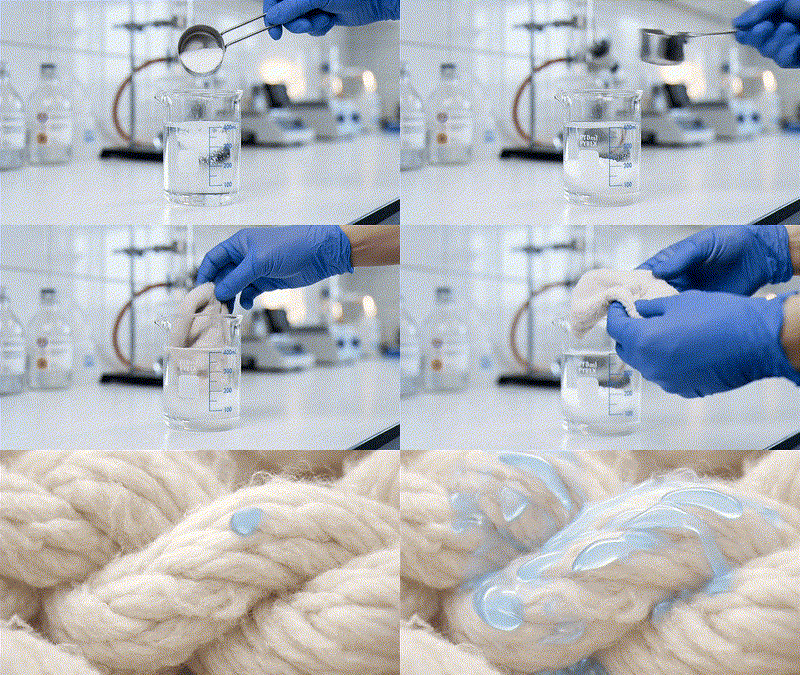
Research published in 2024 by Rinaldi and colleagues confirmed it. Detergent residues remain on clothing after standard wash cycles and may affect the skin barrier over time.
She also explained that many conventional liquid detergents contain polyacrylates, a type of synthetic polymer now classified as microplastic under EU regulation. Imagine a thin film coating every thread of Lily's pajamas, her bedsheets, the towel I wrapped her in after bath time, her fleece blanket. On top of that, the loop structure of a towel or a fleece blanket traps dead skin cells and body oils between washes. That trapped organic matter feeds bacteria like Moraxella osloensis, the organism responsible for musty laundry smell. The fabric doesn't just carry residue. It becomes a breeding environment.
I sat on that bathroom floor staring at my phone while Lily finally fell asleep against my chest.
Every detergent I had tried was leaving something on the fabric.
And every night, I was wrapping my daughter in it…
I spent three days reading everything I could find about detergent residue and sensitive skin. Consumer test results from the Netherlands and Germany. Parenting forums across four countries. The same pattern kept appearing.
Some laundry sheets are built around cleaning enzymes instead of surfactants. What that means in practice: instead of rinsing dirt away with chemicals that stay behind, an enzyme called protease breaks down the proteins and body oils that cling to fabric at a molecular level. The sheet dissolves fully. Nothing remains on the textile.
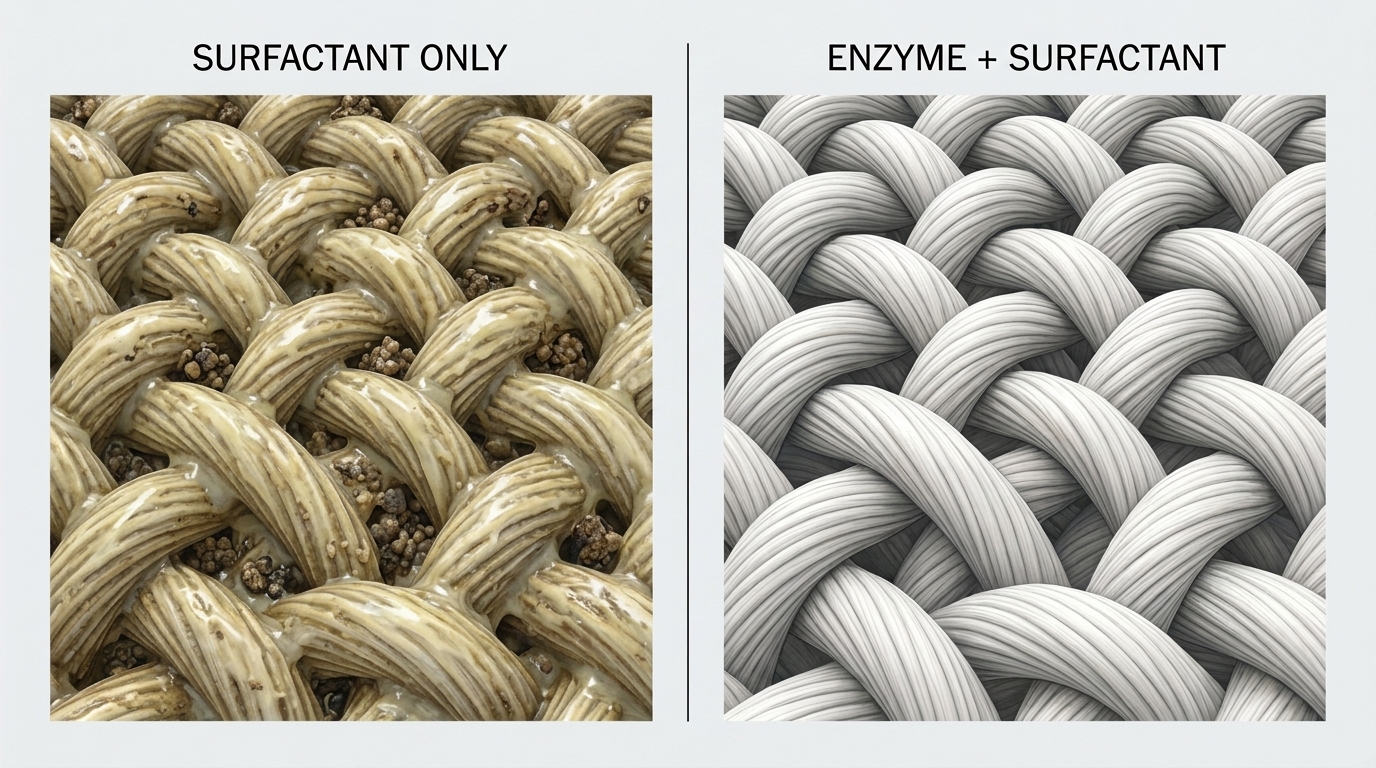
Independent testing institutes like Dermatest in Germany can verify this. Products that achieve full dissolution and leave no irritant residue receive an "Excellent" rating under the OECD 439 non-irritant standard.
The problem was finding one. Most enzyme-based laundry sheets I could find were produced by small Dutch and German companies selling direct through their own websites. I couldn't find them in any supermarket. Most didn't ship outside their home country.
Several brands I did find in shops tested no better than plain water in a Dutch consumer study. They had the format right but not the formula. Sheets without enzymes are surfactant pressed into a different shape.
The ones that actually worked were buried in niche webshops, with ingredient lists that required more chemistry knowledge than I had. I spent two evenings cross-referencing ingredient names with published studies before I could tell which brands were real and which were just packaging.
What I Found Was Mother's Earth
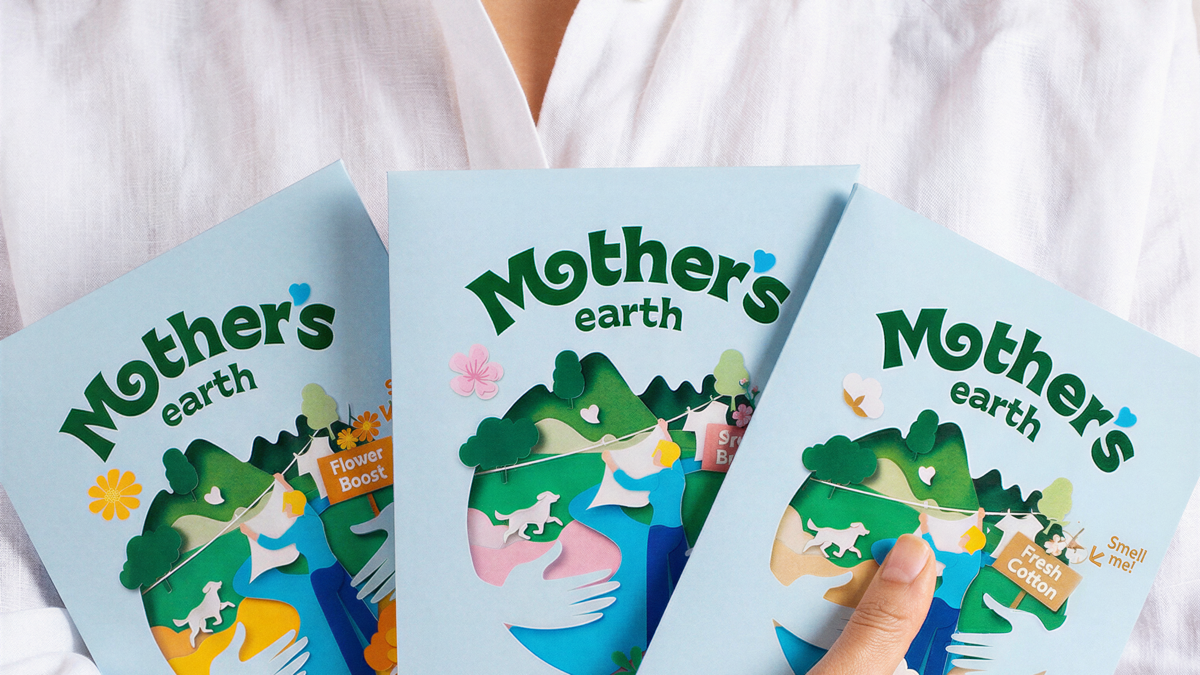
Mother's Earth Laundry Sheets. I found them through a thread on a Dutch parenting forum where three mothers had independently mentioned the same brand. Founded by Lisette and Floris Gutker de Vries, a mother and son from the Netherlands. You tear a sheet, drop it in the drum, and run the wash. No measuring, no bottles. Packs come in 30, 60, or 120 sheets, with a fragrance-free variant for families with young children.
The first thing I noticed was the towels. Not softer in that slippery, coated way that fabric softener creates. Lighter. Like the fabric was actually clean instead of clean with a layer of something else on top. By the end of the first week, Lily slept through the night twice without scratching. By the second week, the patches behind her knees were fading instead of spreading.
The formula uses protease, a naturally derived enzyme that breaks down the proteins and body oils that build up in fabric, instead of just rinsing around them. A plant-based glycerin softens the fibers without coating them, which is why we stopped buying separate fabric softener entirely.
What I did not expect: my husband had a contact rash on his neck from shirt collars for years. We had both assumed it was just his skin. It cleared up within three weeks of switching. Same cause we never thought to question.
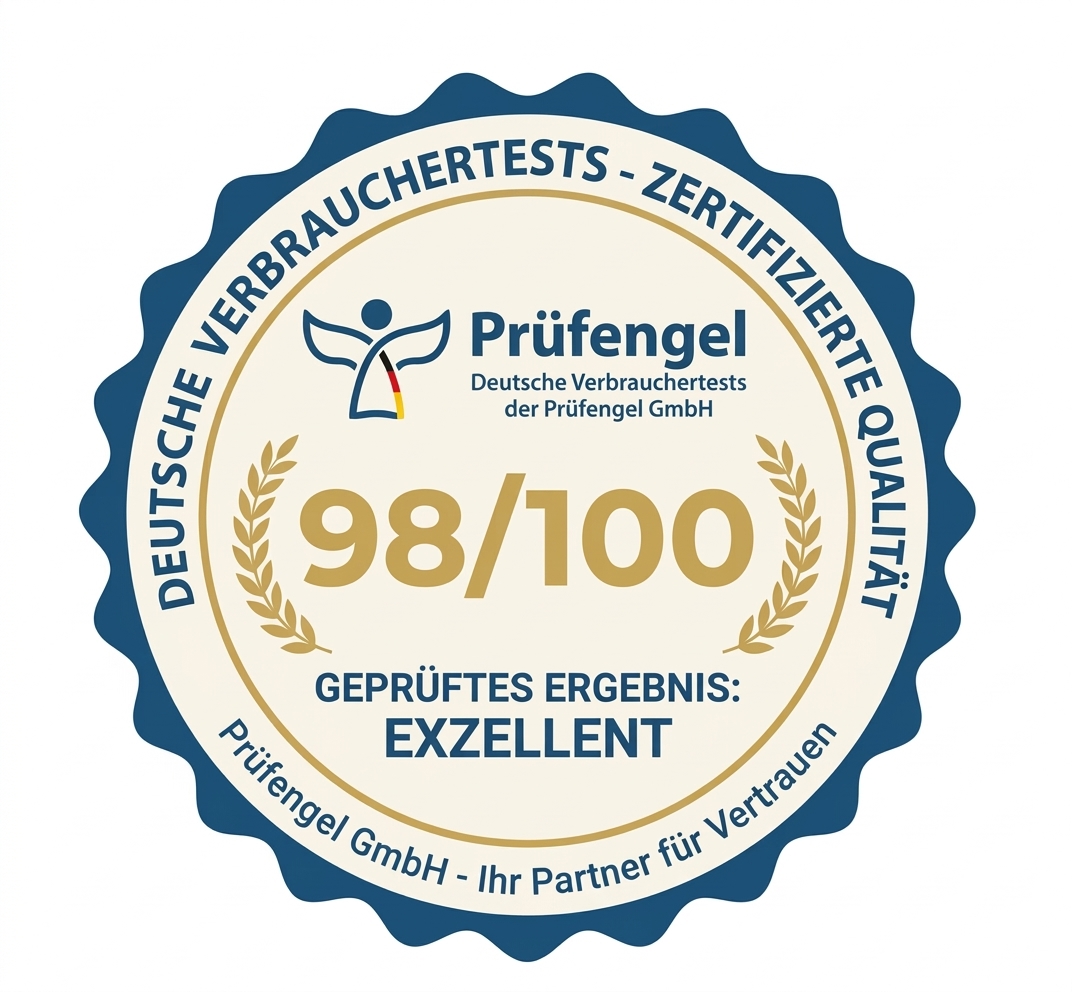
I looked up the test results because I needed to believe it wasn't coincidence. Prüfengel scored the sheets 98 out of 100 for skin compatibility. Dermatest rated them Excellent under the OECD 439 non-irritant standard, which is an independent laboratory result, not something a brand can purchase. The formula contains no polyacrylates, no optical brighteners, no synthetic dyes, and none of the other ingredients I had spent months trying to avoid.
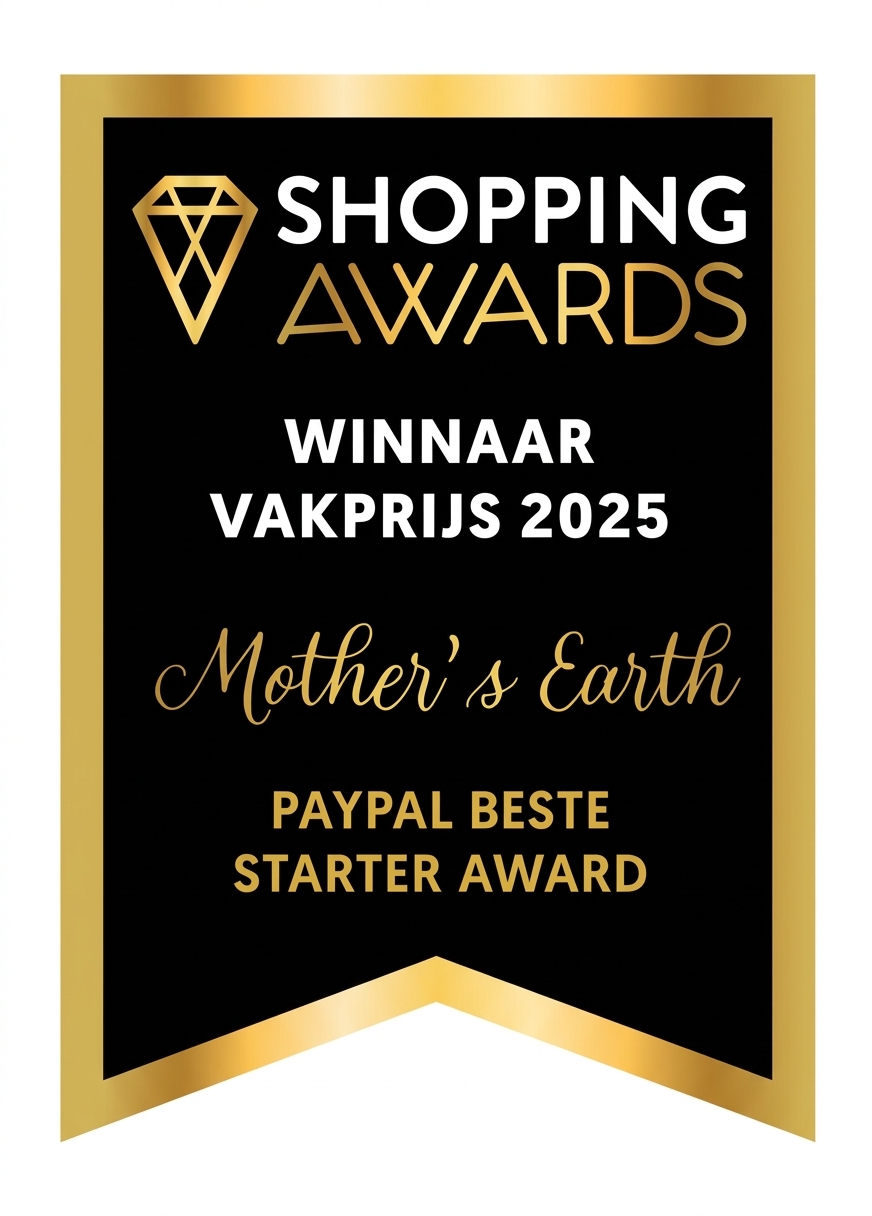
Shipping arrived within two business days. Over 500,000 households across Europe use them. Winner of the ABN AMRO Webshop Award 2025 and 2026 (Household category), PayPal Best Starter Award 2025, and Product of the Year 2026 (consumer-voted).


What We Were Spending vs. What This Costs
I added up what we spent in the eighteen months before I found Mother's Earth. Dermatologist visits, prescription creams, five different detergent brands that promised to be gentle. I stopped counting at €2,200.
| What We Tried | Cost | Addresses Residue? |
|---|---|---|
| Dermatologist visits (3x) | €300+ | Treats symptoms only |
| Prescription creams (18 months) | €500 to €1,400 | Temporary relief |
| "Sensitive" detergents (5 brands) | €80 to €150 | Still leaves residue |
| Mother's Earth Laundry Sheets | €0.25/wash from €0.17/wash | ✓ Designed to dissolve completely |
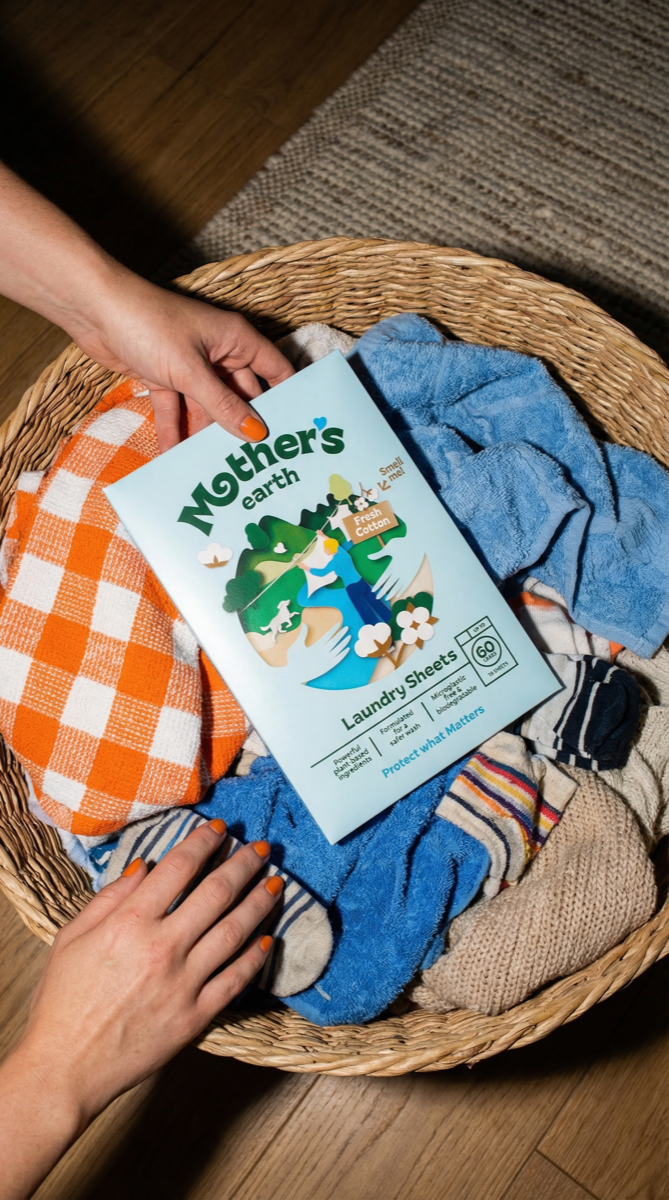
A regular pack of Mother's Earth costs €0.25 per wash. Already a fraction of what we were spending on creams alone. Through their website, bundle pricing brings it down further.
€0.25/wash
From €0.17/wash
Up to 50% off. Free shipping across Europe. One sheet per load.
Other Parents Who Found the Same Thing




Use them for 30 days. If your child's skin does not improve, you get every cent back. No questions, no forms. Mother's Earth can make that offer because they know what happens when the residue is gone. Ships to 23 countries across Europe. Customer support responds within 24 hours at hello@mothersearth.com.
Before you close this tab, remember why you opened it.
- The patches that keep coming back no matter what cream you use
- The nights you spend listening for scratching
- The long sleeves in summer
- The guilt of not knowing what's causing it
I changed one thing. The detergent. Everything else followed.
Comments